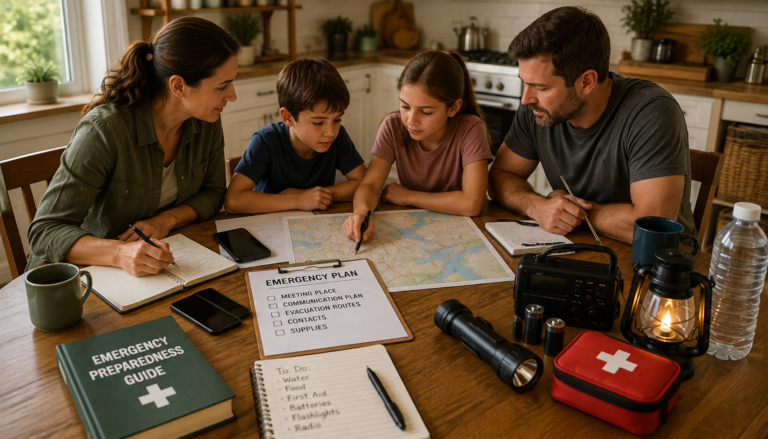

How to Prepare Your Home for Everyday Health Emergencies
A practical guide to household health preparedness, organization, and resilience
It’s 2 a.m.
Someone in your home needs basic care.
Maybe a child has a fever. Someone burned a finger while cooking dinner. A family member cut themselves while cleaning up the kitchen. A prescription needs to be found quickly. Or you simply need to know whether that thermometer is still working.
It isn’t necessarily a trip-to-the-emergency-room situation.
But it does need attention.
You reach for the flashlight.
Then you realize you don’t remember where the first-aid kit is.
The thermometer is probably in a bathroom drawer. The bandages might be in the kitchen. The medication list is somewhere on your phone. And the pharmacy doesn’t open until morning.
Now imagine the same situation during a severe storm or extended power outage.
The lights are out. Roads may be difficult to travel. The pharmacy may be closed. Phone networks may be overloaded.
This is where health preparedness at home becomes more than simply having a box of bandages.
A prepared household knows where essential supplies are, understands its family’s specific needs, keeps important health information organized, and has a clear idea of when a minor problem can be handled at home — and when professional medical help is needed.
Emergency preparedness organizations such as the CDC, FDA, Ready.gov, and the American Red Cross all emphasize the importance of preparing medications, first-aid supplies, personal needs, important information, and emergency supplies before an emergency occurs.
The goal isn’t to turn your home into a medical clinic.
It’s to make everyday problems less chaotic.
1. Why Every Home Needs a Health Emergency Plan
Health problems don’t follow business hours.
Cuts happen on weekends.
Fevers appear in the middle of the night.
Stomach bugs arrive during holidays.
And severe weather can temporarily disrupt access to pharmacies, clinics, transportation, electricity, and communication.
The CDC specifically recommends organizing prescriptions, maintaining medication information, and preparing personal health needs because emergencies can make it difficult to obtain medicines or access normal services.
A simple household health plan has three parts:
Organization
Everyone should know where important supplies are stored.
Information
You should have essential medical and emergency information available even if your phone isn’t.
Adaptation
Your supplies should reflect the people who actually live in your home.
A household with young children will have different needs from one with older adults, pets, or someone who relies on refrigerated medication.
The CDC recommends tailoring emergency kits to individual needs rather than assuming every household requires exactly the same supplies.
Pro Tip: Don’t try to build everything in one weekend. Start with the things your household already uses regularly and gradually create a dedicated emergency-health area.
2. Build a Practical Home First-Aid Kit
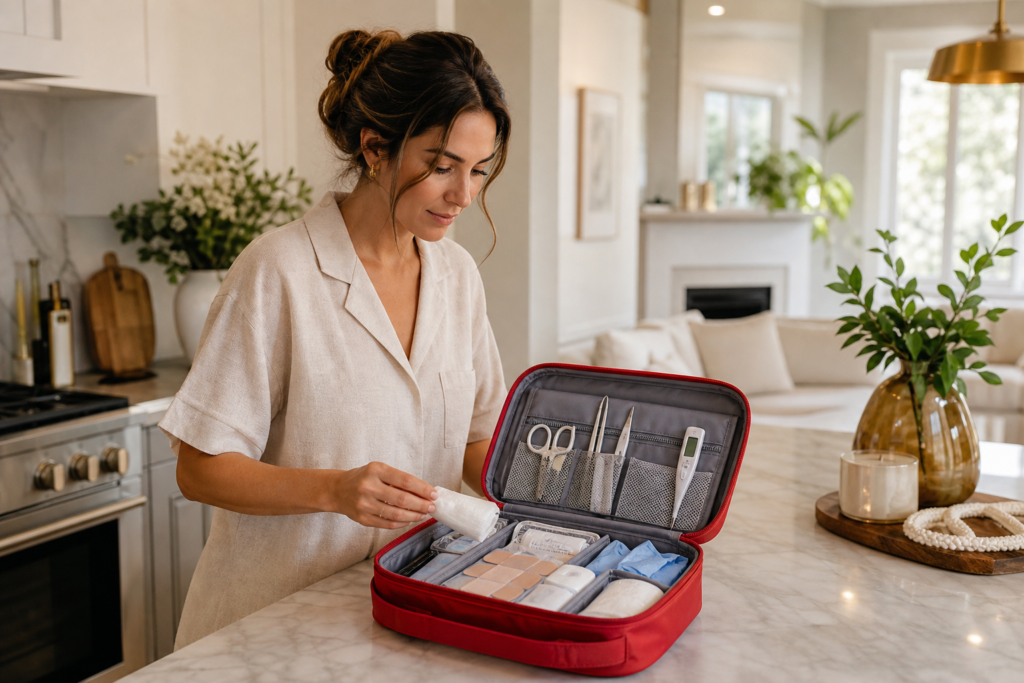
Every prepared household should have a basic first-aid kit.
It doesn’t have to be enormous.
It needs to be useful, accessible, and maintained.
The American Red Cross recommends keeping first-aid supplies as part of an emergency preparedness kit and emphasizes including personal medications and other household-specific needs.
What to Include
A practical household first-aid kit can include:
- Adhesive bandages in several sizes
- Sterile gauze pads
- Sterile dressings
- Medical tape
- Disposable gloves
- Antiseptic wipes
- Antibiotic ointment
- Digital thermometer
- Tweezers
- Scissors
- Instant cold packs
- Emergency blanket
- Hand sanitizer
- Safety pins
- Small plastic bags
- A basic first-aid reference
The exact contents should depend on your household.
If someone has specific medical needs, allergies, mobility needs, or regularly used medical equipment, those items should be considered separately.
Where Should You Keep It?
The most important feature of a first-aid kit isn’t its brand.
It’s accessibility.
Keep it somewhere:
- everyone knows about;
- adults can reach quickly;
- it isn’t buried in storage;
- it isn’t exposed to excessive heat or moisture.
You may also want smaller kits for the car, garage, or workshop.
Common Mistake: Buying a first-aid kit and forgetting about it.
Bandages get used. Batteries lose charge. Products expire. Supplies disappear.
Check the kit periodically and replace anything missing or expired.
A simple reminder twice a year is enough to get started.
3. Create a Household Medication Station
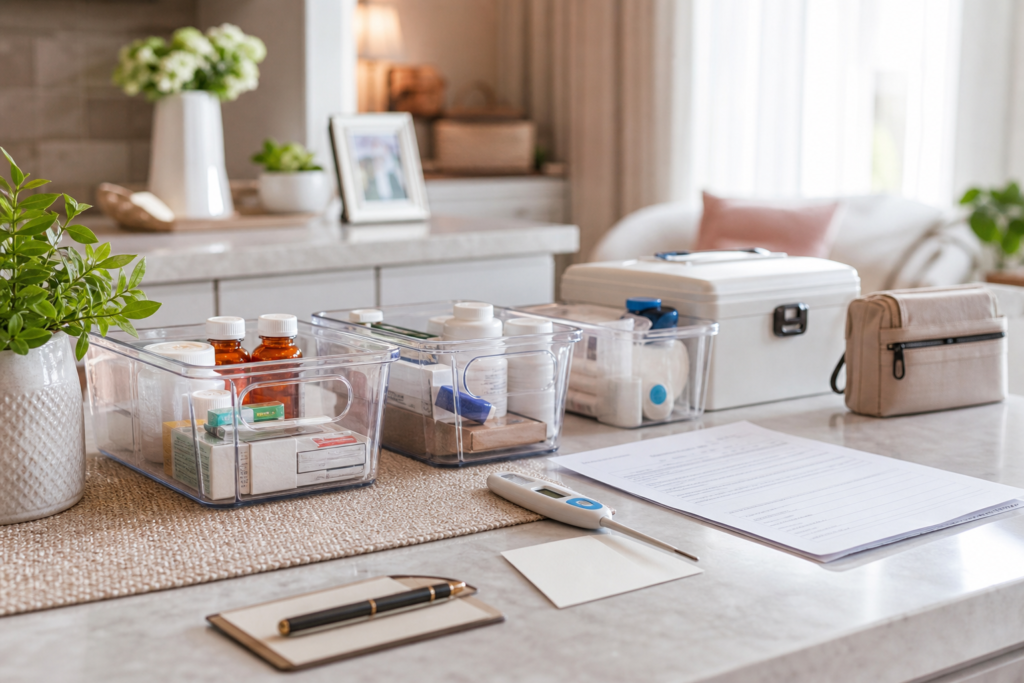
A first-aid kit handles only part of household health preparedness.
Medication organization is another major piece.
The CDC recommends keeping an up-to-date list of prescription medications, including relevant information such as dosage, frequency, medical needs, and allergies.
Your household doesn’t need a complicated medical cabinet.
A dedicated drawer, container, or shelf can work.
The important thing is that everyone knows where the information is.
Keep These Items Organized
Consider keeping:
- Prescription medication information
- A current medication list
- Dosages and schedules
- Allergy information
- Pharmacy contact information
- Doctor or healthcare provider contact information
- Important medical documents
- Appropriate over-the-counter products your family regularly uses
For prescription medications, don’t create your own emergency dosing plan.
Instead, talk with your doctor or pharmacist about how much medication you should have available and what to do if access to your pharmacy is disrupted.
Keep a Digital Backup
Take photographs of prescription labels or maintain a secure digital record of important medication information.
The CDC also recommends keeping medication information accessible during emergencies, including a copy that can be taken with you if evacuation becomes necessary.
Pro Tip: Keep a printed medication list inside your emergency kit as well. Phones can lose power, connectivity, or access.
4. Know How to Protect Medications During a Power Outage
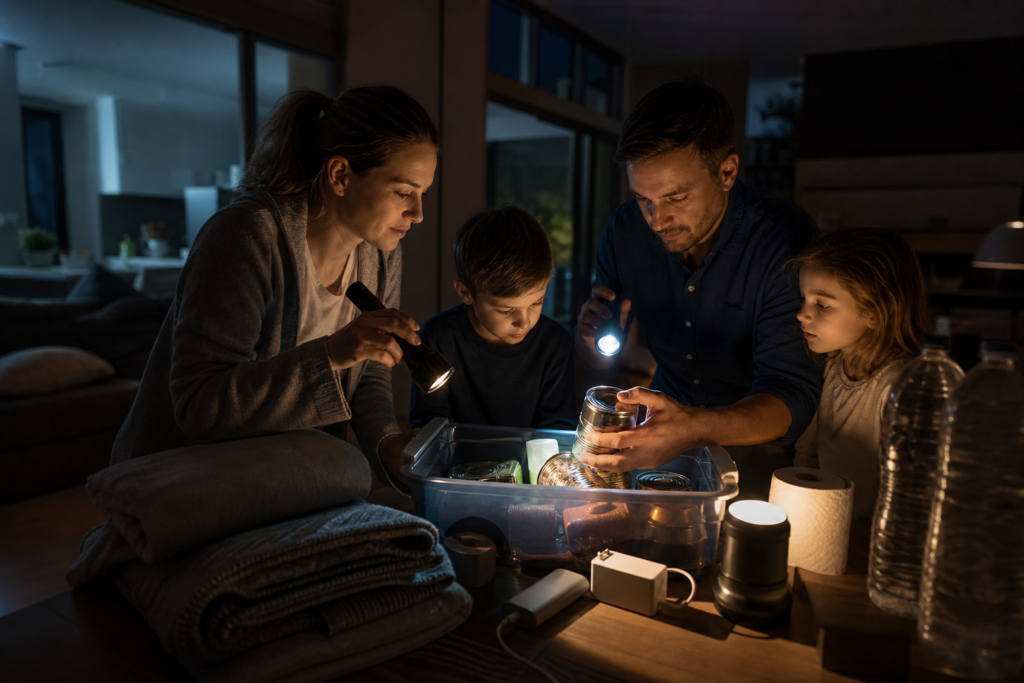
This is one of the most overlooked parts of health preparedness.
A blackout isn’t simply an inconvenience.
It can affect medications that depend on refrigeration, especially during longer outages.
The FDA specifically advises households to plan for medications that require refrigeration and to have appropriate cooling options available.
If the Power Goes Out
Start by keeping the refrigerator closed as much as possible.
If a medication requires refrigeration, don’t guess about whether it is still safe.
Medication storage requirements vary significantly from one product to another.
If you’re uncertain:
Ask your pharmacist, doctor, or the medication manufacturer.
The FDA notes that some medications can be affected by prolonged exposure to temperatures outside their recommended storage conditions.
Add a Small Cooler to Your Emergency Supplies
A small cooler and chemical ice packs can be useful for medications that require temperature control during an emergency.
The CDC specifically lists a cooler and chemical ice packs among emergency medication supplies.
Important: Don’t assume that every medication can be stored in the same way. Always follow the medication’s specific storage instructions.
5. Prepare for Everyday Household Injuries
Most household health emergencies aren’t dramatic.
They’re ordinary.
A scraped knee.
A small cut.
A minor kitchen burn.
A splinter.
A bumped elbow.
The objective isn’t to become a medical professional.
It’s to have the right basic supplies available and know when professional care is necessary.
Minor Cuts and Scrapes
For minor injuries, basic first-aid supplies can help you clean and protect the affected area.
Keep appropriate dressings, gauze, gloves, and cleaning supplies available.
Minor Burns
For a minor burn, basic first-aid guidance generally emphasizes cooling the affected area with clean, cool running water rather than applying ice directly.
For significant or serious burns, seek professional medical care.
Minor Bumps and Sprains
Cold packs, rest, and appropriate basic first-aid supplies can be useful for minor injuries.
But don’t assume every injury is minor.
6. Know When Home Care Isn’t Enough
This may be the most important section of the entire article.
Preparedness does not mean treating serious medical problems at home.
A prepared household knows when to stop trying to handle something independently.
Seek urgent or emergency medical assistance for symptoms such as:
- Difficulty breathing
- Chest pain or pressure
- Severe bleeding
- Loss of consciousness
- Serious head injury
- Severe or extensive burns
- Severe allergic reactions
- Rapidly worsening symptoms
- Symptoms that cause significant concern
This list isn’t exhaustive.
If you aren’t sure whether something is serious, contact an appropriate healthcare professional or emergency service.
In the United States, call 911 for a life-threatening emergency.
For medication or poisoning questions, use the appropriate poison-control or healthcare resources available in your area.
The purpose of household preparedness is to handle minor situations more calmly, not to replace professional healthcare.
7. Create a “2 A.M. Health Emergency Station”
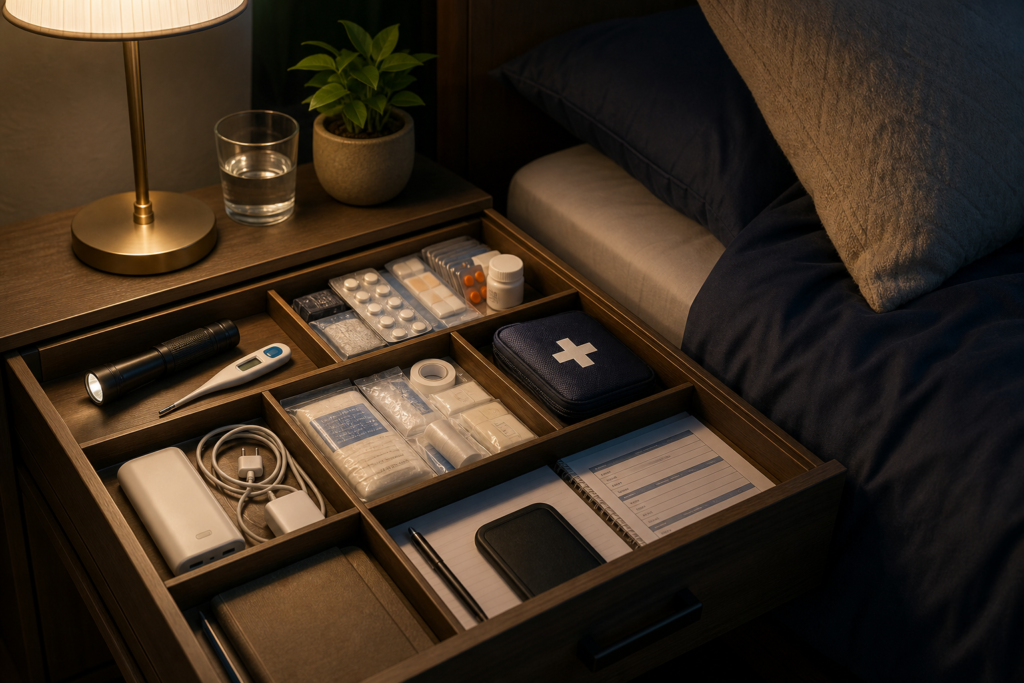
This is one of the simplest ideas you can implement today.
Imagine needing something at 2 a.m.
You shouldn’t have to search:
- three bathroom drawers;
- the kitchen cabinet;
- the garage;
- your child’s bedroom;
- and your phone.
Create one dedicated location.
It can be a drawer, small cabinet, storage box, or emergency-health organizer.
What Goes Inside?
Consider including:
- A reliable flashlight
- Digital thermometer
- Basic bandages
- Gauze
- Medical tape
- Antiseptic wipes
- Disposable gloves
- Hand sanitizer
- Emergency contact information
- Medication lists
- Important health information
- A charged power bank
- Basic personal hygiene supplies
A flashlight is particularly useful because health problems don’t wait for the electricity to come back.
The CDC includes flashlights, extra batteries, first-aid supplies, chargers, hygiene supplies, and medical information among recommended emergency-kit items.
The Goal Is Simple
Everything you need for a basic nighttime problem should be within seconds of reach.
That organization alone can eliminate a surprising amount of stress.
Pro Tip: Put a printed checklist inside the station. When something gets used, mark it immediately so you remember to replace it.
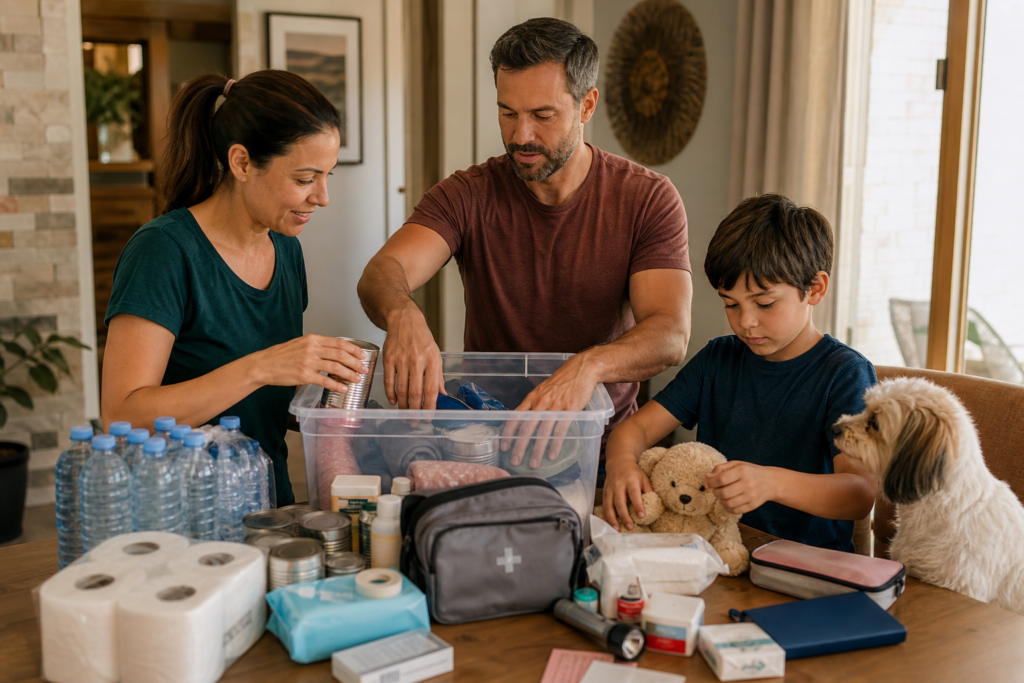
8. Prepare for the People Who Actually Live in Your Home
A generic emergency kit isn’t enough.
Your household has individual needs.
The CDC recommends tailoring emergency supplies to individual health needs, including medications, medical devices, food requirements, communication needs, and other personal necessities.
Women
Consider keeping:
- Menstrual products
- Personal hygiene supplies
- Prescription medications
- Relevant health information
- Any regularly used personal-care items
These are easy to overlook because they’re considered ordinary household products.
But during an emergency, ordinary products can become difficult to replace.
Children
Consider:
- Age-appropriate medications as directed
- Child-sized bandages
- Comfort items
- Important medical information
- Pediatric healthcare contacts
Older Adults
Consider:
- Prescription information
- Medication supplies
- Eyeglasses
- Hearing-aid batteries
- Mobility-related equipment
- Important healthcare contacts
Pets
Don’t forget the animals.
Emergency planning may include:
- Food
- Water
- Medications
- Veterinary records
- Leashes
- Carriers
- Identification
Emergency preparedness guidance from Ready.gov, CDC, and other organizations emphasizes preparing for household members — including pets — before an emergency occurs.
9. Hygiene Is Part of Health Preparedness
When normal services are disrupted, hygiene becomes even more important.
Keep basic supplies available:
- Soap
- Hand sanitizer
- Disinfecting supplies
- Disposable gloves
- Masks when appropriate
- Toilet paper
- Paper towels
- Waste bags
- Personal hygiene products
The CDC includes soap, hand sanitizer, wipes, and other hygiene supplies in emergency-kit recommendations.
And remember:
Water is part of health preparedness.
Without enough clean water, basic hygiene, wound care, food preparation, and medication needs can become more difficult.
That’s why household health preparedness shouldn’t exist separately from your broader emergency plan.
10. What About Herbs and Traditional Home Remedies?
This is an area many people become interested in when they start thinking about household self-reliance.
Growing useful plants can be an interesting skill.
Learning how to identify plants can also be valuable.
But this is where preparedness needs to be balanced with caution.
Remember:
- Never consume a plant you cannot positively identify.
- Some plants are poisonous.
- “Natural” does not automatically mean safe.
- Herbs can interact with medications.
- Traditional use does not guarantee effectiveness or safety.
- Serious symptoms should not be treated with an unverified home remedy.
The goal is knowledge, not replacing medical care.
Starting a Medicinal Garden
For households interested in learning about useful and traditionally valued plants, a medicinal garden can be an interesting preparedness project.
Instead of thinking of it as a substitute for medicine, think of it as an opportunity to learn about:
- Plant identification
- Growing conditions
- Basic gardening
- Traditional uses
- Safe handling
- Responsible research

🌿 Explore the Medicinal Garden Kit
If you’d like a structured starting point for exploring a home medicinal garden, you can learn more about the Medicinal Garden Kit here:
👉 Explore the Medicinal Garden Kit
Affiliate recommendation. Freeland Haven may receive a commission if you purchase through this link, at no additional cost to you.
11. Build a Home Health Reference Library
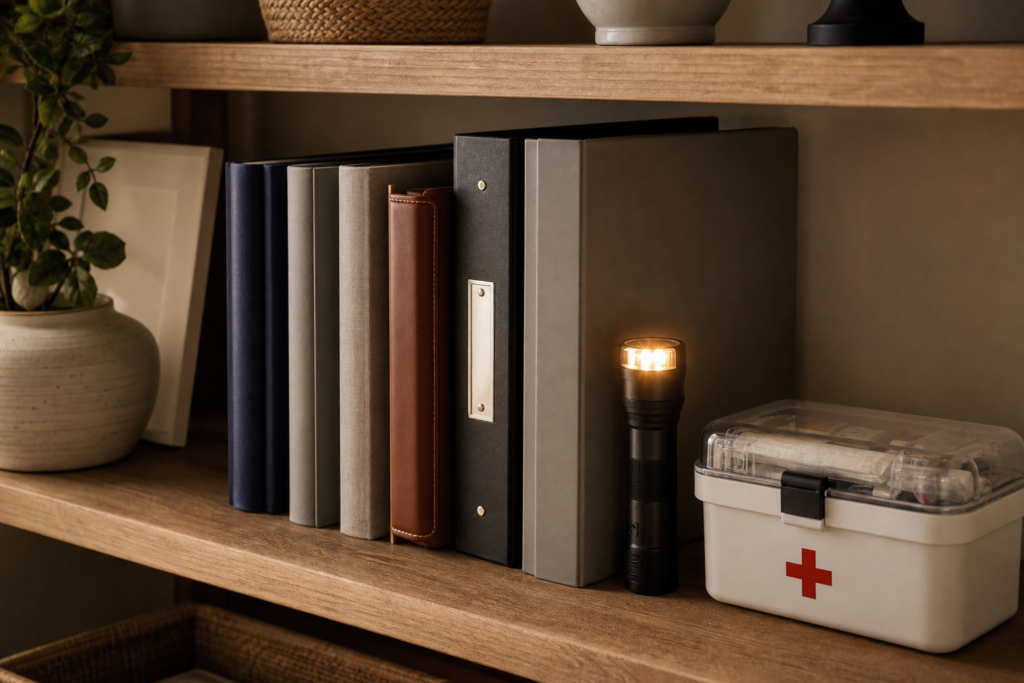
Supplies are only half of preparedness.
Knowledge is the other half.
A first-aid kit gives you supplies.
A health reference gives you information to review before you’re dealing with a stressful situation.
Consider keeping reliable references covering:
- Basic first aid
- Household emergency preparedness
- Medication organization
- Family health information
- Emergency contacts
- Personal medical records
Keep important information together with your emergency supplies.
That way, the person looking for the bandages can also find the information they need.
Go Beyond a Basic First-Aid Kit
If you’re interested in learning more about practical household health preparedness, first-aid knowledge, traditional remedies, and everyday health situations, The Home Doctor is another resource worth exploring.
🩺 Explore The Home Doctor
👉 Learn More About The Home Doctor
Affiliate recommendation. Freeland Haven may receive a commission if you purchase through this link, at no additional cost to you.
Important: Educational resources are not a substitute for professional medical diagnosis or treatment.
12. Build Your Household Health Checklist
Before you consider your home health-preparedness system complete, walk through this list.
Basic Supplies
□ First-aid kit stocked
□ Digital thermometer working
□ Flashlight accessible
□ Spare batteries available
□ Basic hygiene supplies stocked
□ Disposable gloves available
Medication Organization
□ Current medication list
□ Dosages and schedules documented
□ Pharmacy contact information
□ Doctor/healthcare contacts
□ Allergy information
□ Important prescriptions organized
□ Refrigerated medication needs identified
Family Needs
□ Women’s personal supplies
□ Children’s needs considered
□ Older adults’ needs considered
□ Pet supplies considered
□ Special medical needs documented
Emergency Information
□ Emergency contacts printed
□ Important medical information accessible
□ Insurance information accessible
□ Important documents protected
□ Power-outage plan considered
Knowledge
□ Basic first-aid information available
□ Family knows where supplies are stored
□ Everyone knows when to seek professional help
□ Emergency-health station checked regularly
13. How Often Should You Check Your Emergency Health Supplies?
Preparedness isn’t something you finish once.
It’s something you maintain.
A simple twice-a-year check is a practical starting point.
Choose two dates — for example, when daylight saving time changes — and use them as your household preparedness reminder.
Check:
- Medication information
- Expiration dates
- First-aid supplies
- Flashlight batteries
- Power banks
- Hygiene supplies
- Emergency contacts
- Children’s needs
- Pet supplies
- Important documents
The CDC recommends checking emergency kits periodically and keeping them updated and accessible.
A 15-minute check twice a year can prevent the frustrating discovery that something important expired months ago.

14. FAQ
What should every home health emergency kit contain?
Start with basic first-aid supplies, a thermometer, flashlight, emergency contacts, medication information, hygiene supplies, and any personal items your household depends on.
How much medication should I keep at home?
Ask your doctor or pharmacist about an appropriate emergency supply for your specific medications. Don’t change prescriptions or doses on your own.
What happens to refrigerated medication during a power outage?
Keep the refrigerator closed and follow the medication’s specific storage instructions. If you’re unsure whether a medication remained within its safe temperature range, contact your pharmacist, healthcare provider, or manufacturer.
Should I keep a thermometer in my emergency supplies?
Yes. A digital thermometer is inexpensive, easy to store, and useful when someone becomes ill at home.
Are herbal remedies automatically safe?
No. Plants and herbs can have side effects, interact with medications, or be toxic if incorrectly identified. Treat herbal knowledge as something to research responsibly — not as a replacement for medical care.
Do I need a huge emergency medical kit?
No.
Start with the basics.
The most useful emergency supplies are the ones you can actually find, understand, maintain, and use appropriately.
Final Thoughts
Emergency preparedness isn’t about expecting something terrible to happen.
It’s about making your home more capable of handling ordinary disruptions.
It’s knowing where the thermometer is at 2 a.m.
It’s having bandages when someone cuts their finger.
It’s knowing which medications your family takes.
It’s keeping important health information accessible.
It’s having a flashlight when the power disappears.
It’s remembering that children, older adults, women, and pets may have different needs.
And it’s knowing when a problem is beyond what should be handled at home.
You don’t need a medical degree.
You don’t need a bunker.
You don’t need to spend thousands of dollars.
Start with one drawer.
One first-aid kit.
One printed medication list.
One flashlight.
One conversation with your family.
Then improve your system a little at a time.
Because preparedness isn’t about fear.
It’s about having options.
Your Home Health Preparedness Checklist
Before you leave, ask yourself:
✅ Can everyone find our first-aid kit?
✅ Do we have a working thermometer?
✅ Do we know where our flashlight is?
✅ Do we have current medication information?
✅ Do we know how to contact our pharmacy and healthcare providers?
✅ Have we considered refrigerated medications?
✅ Do we have basic hygiene supplies?
✅ Have we considered the needs of children, older adults, women, and pets?
✅ Are our important health documents accessible?
✅ Do we know when to seek professional medical care?
If you answered “no” to a few of these, that’s okay.
Now you know where to start.
Continue Building Your Household Resilience
Health preparedness works best when it connects with the rest of your emergency plan.
🩺 The Home Doctor — Explore an educational resource focused on practical household health knowledge.
Looking for a dedicated emergency flashlight?
A compact tactical flashlight can serve as part of a broader preparedness setup — useful during power outages, roadside emergencies, camping and nighttime situations around the home.
👉 See the Tactical Flashlight →
Sources & Further Reading
The recommendations in this article are informed by official preparedness and public-health resources, including:
- Ready.gov — emergency planning and emergency kits.
- CDC Prepare Your Health — prescriptions, personal needs, practical skills, power sources, and emergency paperwork.
- CDC — personal needs and individual emergency-kit recommendations.
- FDA — medication safety during natural disasters, flooding, and power outages.
- American Red Cross — recommended emergency and first-aid supplies.
Disclaimer: This article is for general preparedness and educational purposes only. It is not medical advice and does not diagnose, treat, or prevent any medical condition. Medication storage, dosing, interactions, and emergency treatment decisions should be confirmed with a qualified healthcare professional, pharmacist, emergency service, or the relevant medication manufacturer.