
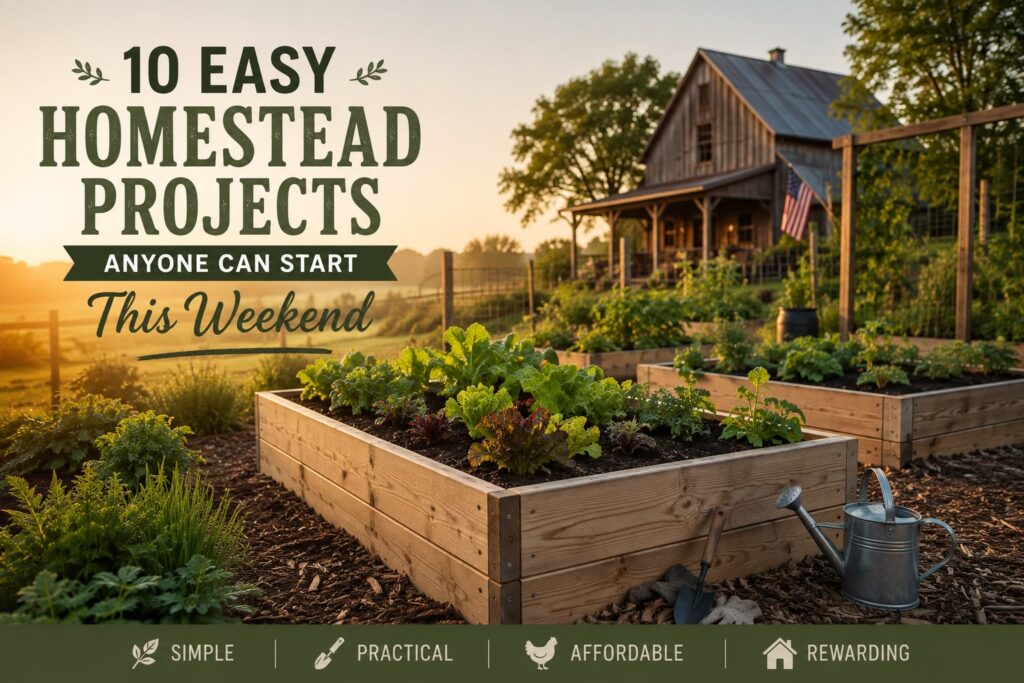
10 Easy Homestead Projects Anyone Can Start This Weekend
Homesteading doesn’t have to begin with a large farm, expensive equipment, or years of experience. In fact, some of the most valuable self-sufficiency skills can be learned over a single weekend using simple materials and a little motivation.
Whether your goal is to grow your own food, reduce household expenses, become more environmentally friendly, or simply enjoy a slower, more intentional lifestyle, small projects are the perfect place to start.
The best part? Every completed project builds confidence for the next one.
In this guide, you’ll discover ten beginner-friendly homestead projects that are affordable, practical, and achievable in just a weekend. Most require only basic tools, making them ideal for anyone who wants to begin their homesteading journey without feeling overwhelmed.
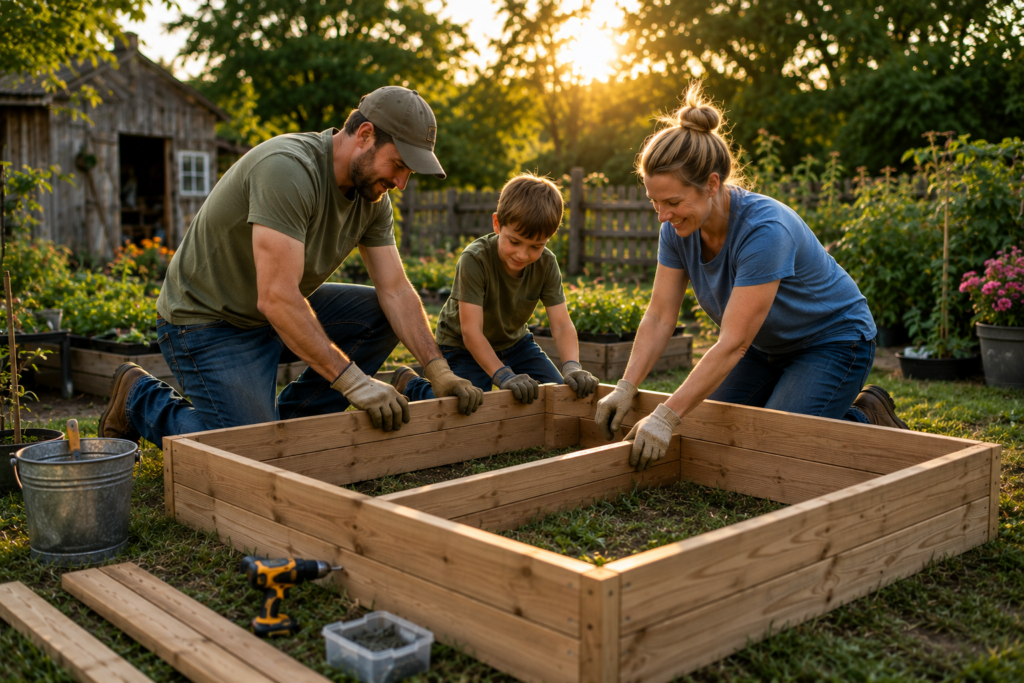
1. Build a Raised Garden Bed
A raised garden bed is one of the best investments a beginner can make. It provides excellent drainage, healthier soil, easier maintenance, and often produces larger harvests than traditional in-ground gardens.
Even a single 4 × 8-foot raised bed can supply your family with fresh lettuce, tomatoes, herbs, peppers, and other vegetables throughout the growing season.
Why this project is worth it
- Better soil quality
- Easier weed control
- Improved drainage
- Longer growing season
- Less bending while gardening
What you’ll need
- Untreated lumber or cedar boards
- Deck screws
- Drill
- Soil
- Compost
Estimated Cost: $60–150
Time Required: 3–4 hours
Difficulty: ⭐⭐☆☆☆
Pro Tip: Fill the bottom of the bed with sticks and small branches before adding soil to reduce the amount of soil you’ll need to purchase.
2. Start a Backyard Compost Bin
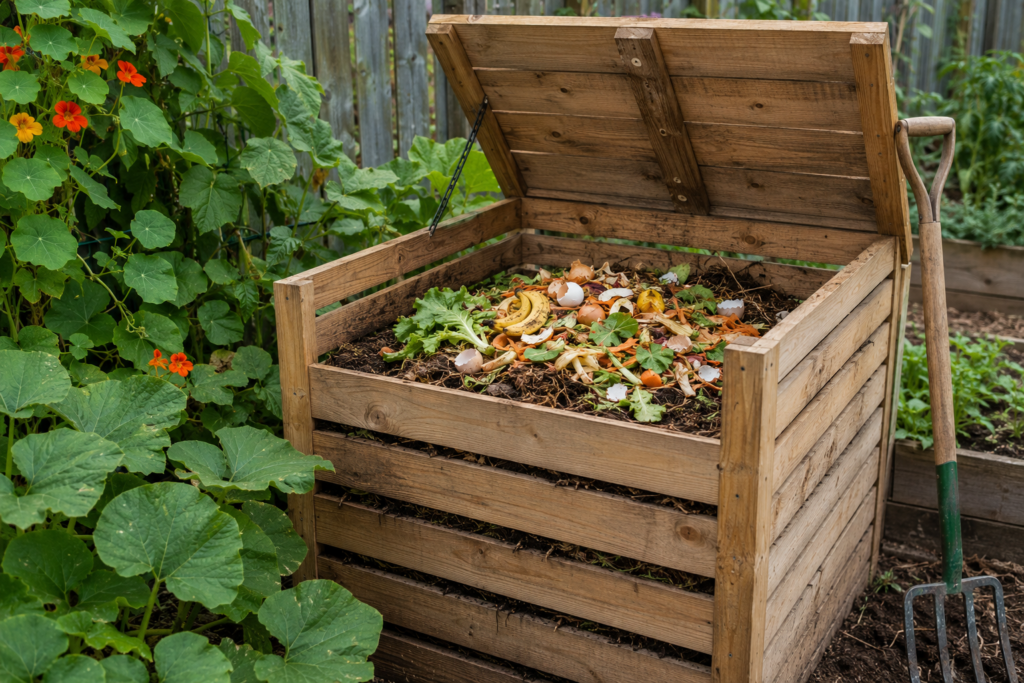
One of the easiest ways to reduce waste while improving your garden is by making compost.
Instead of sending food scraps to the landfill, you can transform them into nutrient-rich compost that improves soil structure, feeds beneficial microorganisms, and helps vegetables grow stronger.
Compost “Greens”
- Fruit scraps
- Vegetable peels
- Coffee grounds
- Fresh grass clippings
Compost “Browns”
- Dry leaves
- Cardboard
- Newspaper
- Small branches
Avoid adding meat, dairy products, or oily foods.
Estimated Cost: Free–$40
Time Required: 2 hours
Difficulty: ⭐☆☆☆☆
Common Beginner Mistake
Adding only kitchen scraps.
Healthy compost needs a balance between green and brown materials to break down efficiently.
🌱 Ready to Take Your Homestead to the Next Level?
Building a compost bin is just the beginning. If you’re looking for more practical backyard projects that help you grow food, save money, and become more self-sufficient, this guide is a great next step.
Explore The Self-Sufficient Backyard →
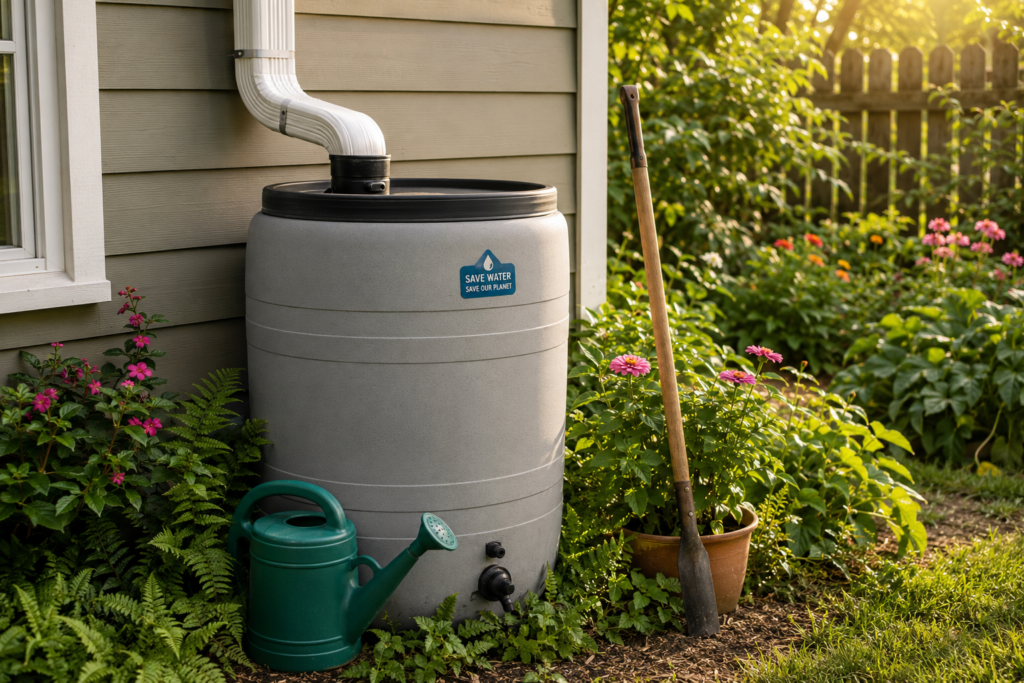
3. Install a Rain Barrel
Water is one of the most valuable resources on any homestead.
Installing a rain barrel allows you to collect free rainwater that can later be used for watering gardens, flowers, and fruit trees.
Besides lowering your water bill, it also helps reduce stormwater runoff.
Benefits
- Saves money
- Conserves water
- Excellent for gardens
- Easy weekend project
Estimated Cost: $50–120
Time Required: 2 hours
Difficulty: ⭐⭐☆☆☆
Choose a food-grade barrel whenever possible to ensure safe water storage.
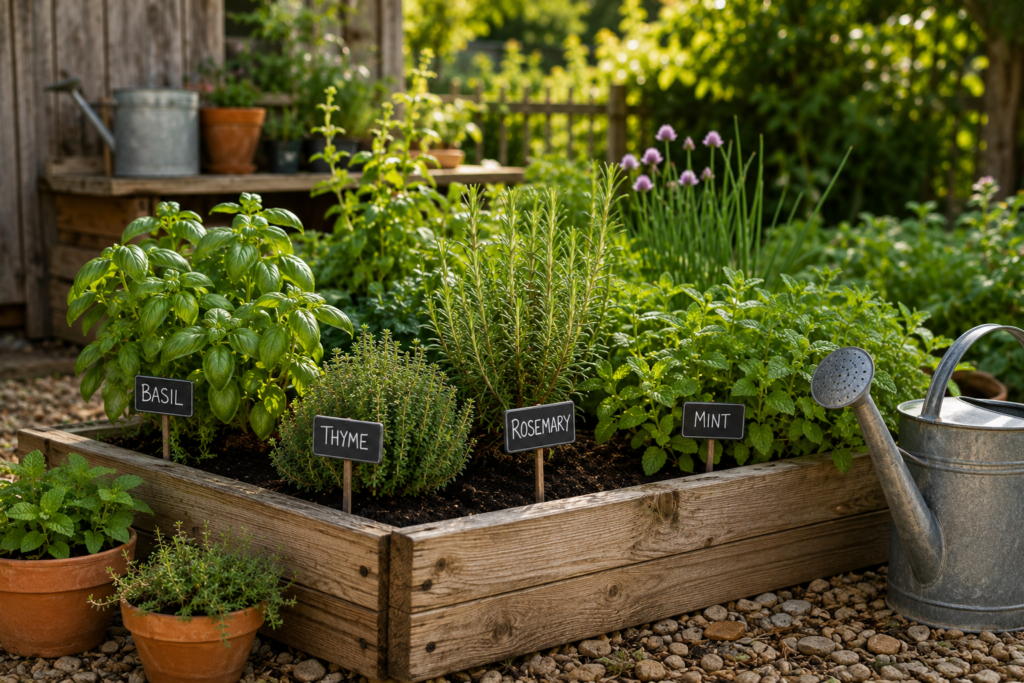
4. Create an Herb Garden
Fresh herbs are surprisingly expensive at grocery stores, yet they’re among the easiest plants to grow.
Even a small herb garden can provide fresh basil, parsley, thyme, rosemary, oregano, mint, and chives for months.
Herbs thrive in raised beds, containers, or even sunny windows.
Beginner Favorites
- Basil
- Parsley
- Thyme
- Chives
- Oregano
- Rosemary
Harvest herbs frequently to encourage fuller growth throughout the season.
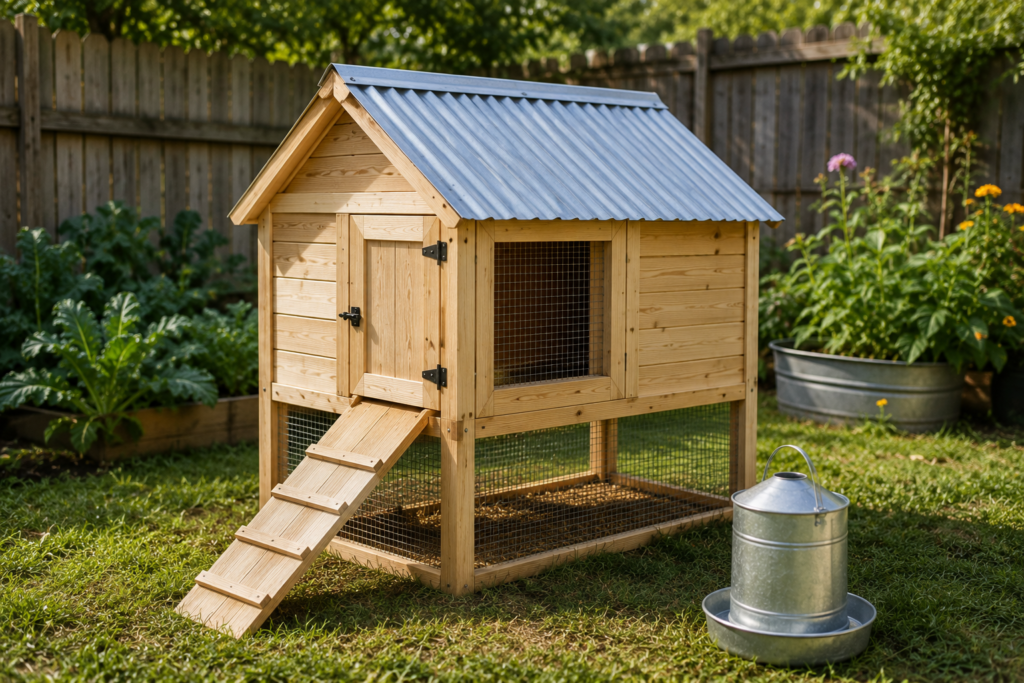
5. Build a Simple Chicken Coop (Even if You Don’t Buy Chickens Yet)
Many aspiring homesteaders dream of raising backyard chickens.
Building the coop first allows you to learn construction skills while preparing for future egg production.
Even a modest coop can later house four to six laying hens.
Skills You’ll Learn
- Basic framing
- Measuring
- Tool safety
- Planning outdoor structures
Estimated Cost: $150–400
Time Required: One weekend
Difficulty: ⭐⭐⭐☆☆
Pro Tip: Plan for more ventilation than you think you’ll need. Good airflow is essential for healthy chickens.
🌿 Turn Your Backyard Into a Productive Homestead
A simple chicken coop is just one step toward greater self-sufficiency. If you’d like to learn how to grow more food in less space, The 5 Foot Farm offers practical strategies that are easy to follow—even for beginners.
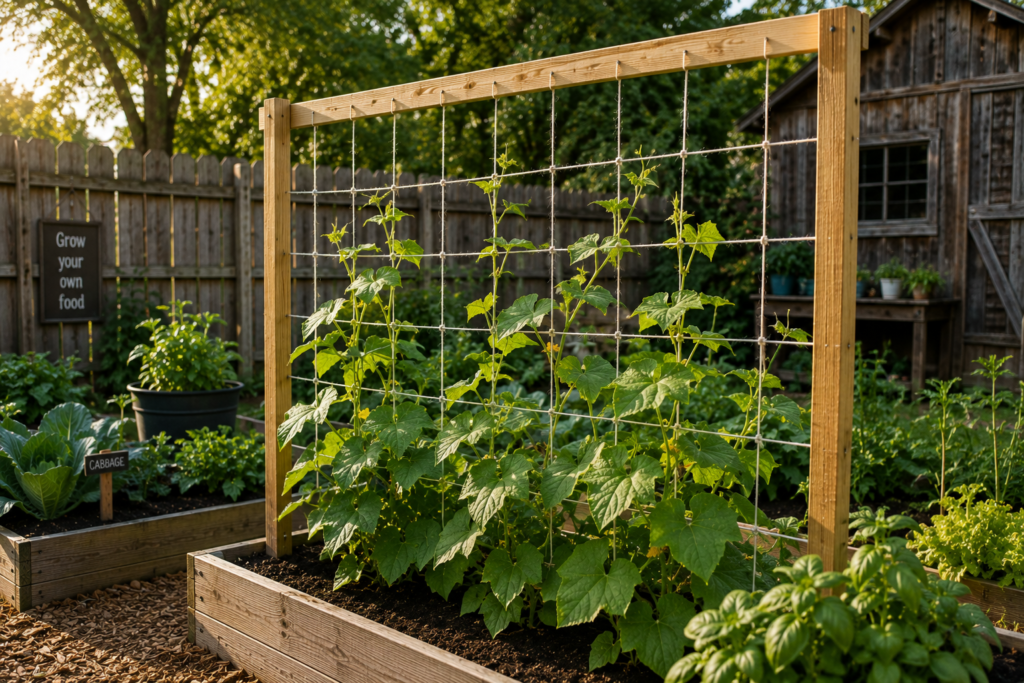
6. Build a DIY Garden Trellis
Vertical gardening saves space and improves airflow, making it easier to grow cucumbers, beans, peas, and tomatoes.
A simple wooden or cattle-panel trellis can be built in an afternoon using inexpensive materials.
Benefits include:
- Easier harvesting
- Healthier plants
- Better air circulation
- Cleaner vegetables
- Higher yields
7. Organize a Homestead Tool Station
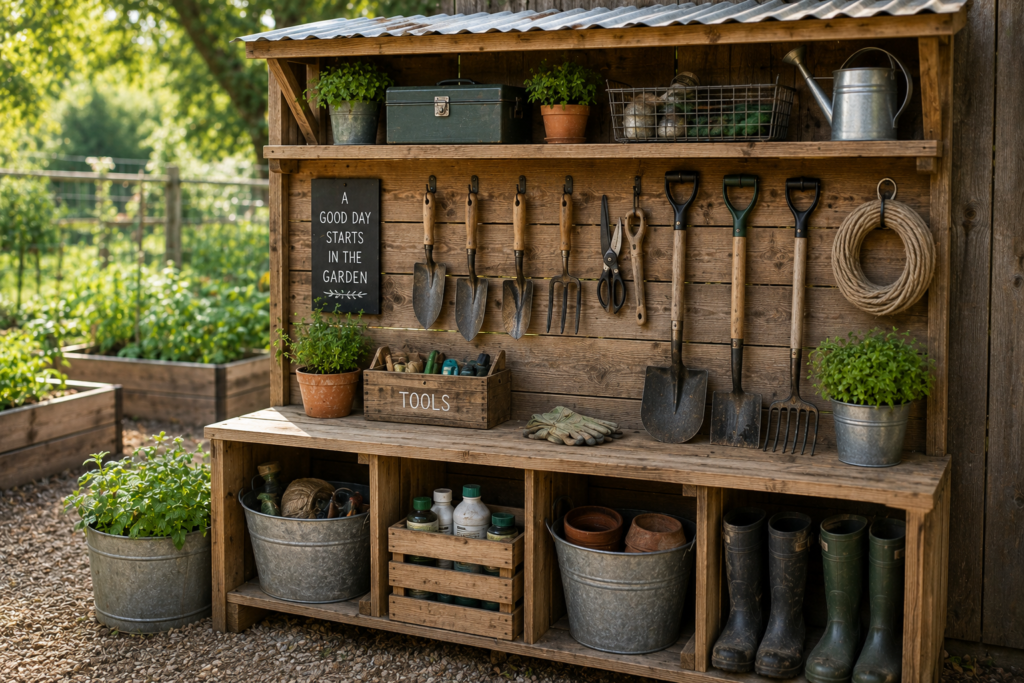
One overlooked project is creating an organized space for your tools.
Install wall hooks, shelves, labeled bins, and storage racks to keep everything within easy reach.
Good organization saves time during every gardening season.
Simple additions include:
- Pegboards
- Bucket organizers
- Seed storage containers
- Tool racks
- Potting bench
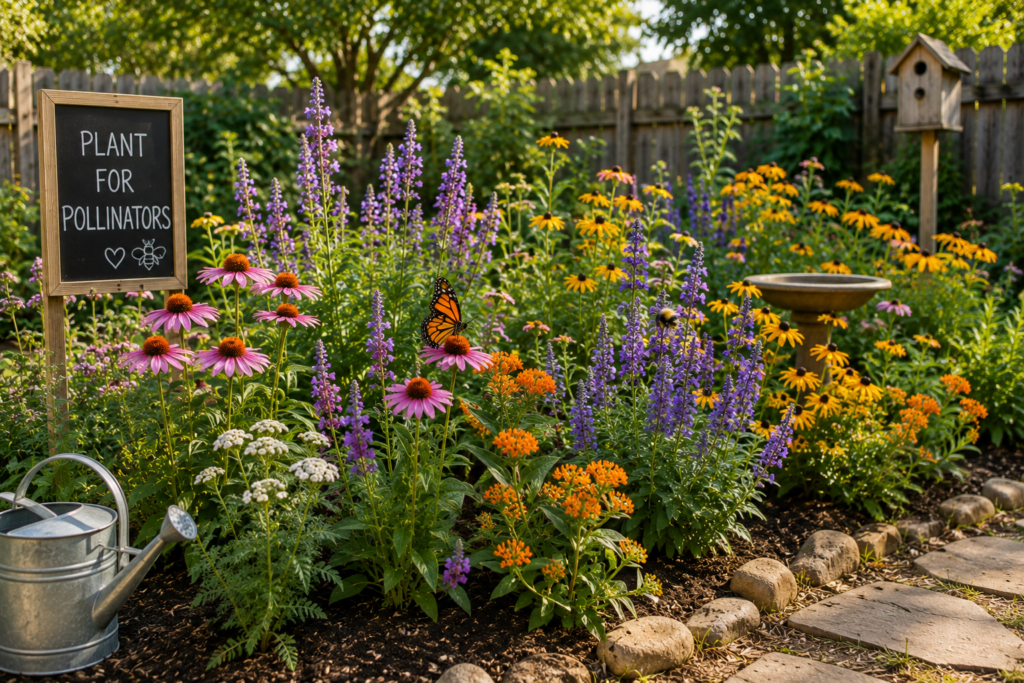
8. Plant a Pollinator Garden
A productive homestead depends on pollinators.
Bees, butterflies, hummingbirds, and beneficial insects help improve fruit and vegetable production while supporting local ecosystems.
Excellent flowers include:
- Marigolds
- Lavender
- Sunflowers
- Zinnias
- Cosmos
- Coneflowers
Besides attracting pollinators, many flowers also deter unwanted garden pests naturally.
9. Make Your Own Seed Starting Station
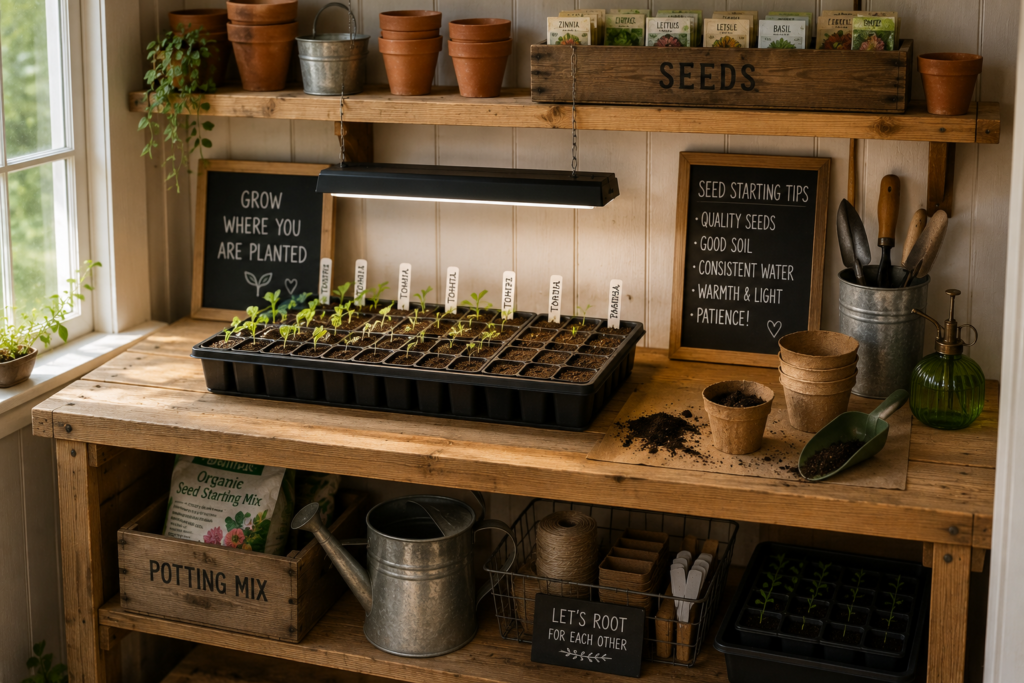
Instead of buying mature plants every spring, start your own seedlings indoors.
You’ll save money and enjoy access to a wider variety of vegetables and herbs.
A basic seed-starting setup requires:
- Seed trays
- Quality seed-starting mix
- Grow lights or a sunny window
- Spray bottle
- Heat mat (optional)
Watching tiny seedlings grow into productive plants is one of the most satisfying parts of homesteading.
10. Start a Homestead Journal
Every experienced homesteader keeps records.
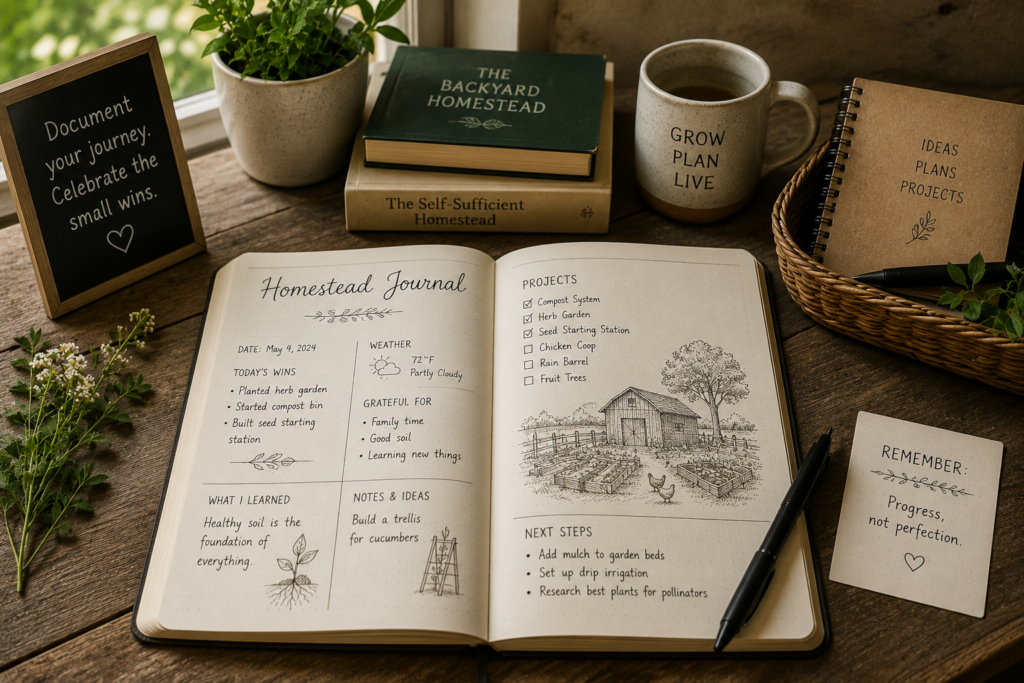
A journal helps you remember planting dates, successful varieties, weather conditions, harvest amounts, and lessons learned.
Record things like:
- First frost dates
- Seed varieties
- Pest problems
- Harvest totals
- Garden layouts
- Expenses
- Future ideas
Over time, your journal becomes one of your most valuable homesteading resources.
Frequently Asked Questions
What is the easiest homestead project for beginners?
Starting a compost bin or building a raised garden bed are two of the simplest and most rewarding projects for beginners.
Do I need a large property to start homesteading?
Not at all. Many homesteading skills can be practiced in a suburban backyard, on a small lot, or even on a patio using containers.
How much should I budget for my first homestead projects?
Many projects can be completed for under $100, especially if you reuse materials or purchase secondhand supplies.
Which project saves the most money?
Growing vegetables, composting, and collecting rainwater often provide the quickest financial benefits while teaching valuable long-term skills.
🌾 Ready for Your Next Homestead Project?
Every project you complete brings you one step closer to a more self-sufficient lifestyle. Whether you want to grow more food, maximize your backyard, or become less dependent on the grocery store, these beginner-friendly resources are worth exploring.
🌱 Explore The Self-Sufficient Backyard →
Final Thoughts
Homesteading isn’t about doing everything at once—it’s about building practical skills one project at a time.
Each raised bed, compost pile, rain barrel, or herb garden teaches lessons that make the next project easier and more rewarding.
Don’t wait until you have the perfect property, unlimited time, or every tool on your wish list.
Start where you are.
Use what you have.
Build one project this weekend.
A year from now, you’ll be amazed by how much you’ve learned—and how far your homesteading journey has grown.
1 Comentário