Companion Planting for Beginners
You’ve probably seen the charts. Long lists of what goes with what, who hates who, and a dozen plants you’re supposed to keep on opposite sides of the garden like rival gangs at a wedding.
Most of those charts are oversimplified. Some of them are just wrong.
Here’s the truth: companion planting isn’t magic. It’s not a secret code. It’s a set of observations that smart gardeners have been making for centuries, combined with a little bit of actual biology. When you understand why certain plants help each other, you stop needing the chart. You start seeing the relationships yourself.
What Companion Planting Actually Is
Companion planting is the practice of growing different plants near each other for a specific benefit. It’s not about cramming more stuff into your garden. It’s about creating relationships that make the whole system stronger.
There are four main ways companion plants help each other:
Pest management
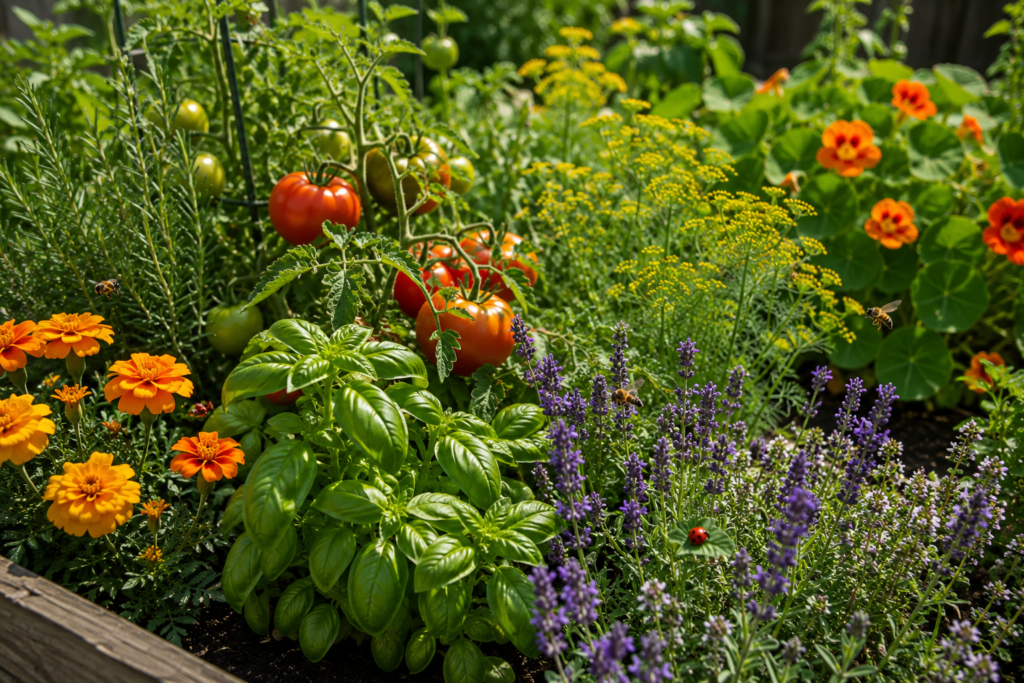
Some plants repel insects that would attack their neighbors. Others act as trap crops — they’re more attractive to pests, so the bugs go there instead of your prized vegetables. Still others attract beneficial insects that prey on garden pests.
Nutrient partitioning
Different plants have different root depths and nutrient needs. Deep-rooted plants like comfrey pull minerals from the subsoil that shallow-rooted neighbors can’t reach. Legumes fix nitrogen in the soil that heavy feeders like corn and tomatoes can use.
Physical support
Tall plants provide shade for low-growing ones that prefer partial sun. Climbing plants use sturdy neighbors as living trellises. This is the principle behind the Three Sisters — corn, beans, and squash — which Indigenous peoples have been planting together for thousands of years.
Camouflage and confusion
Mixing plants together makes it harder for pests to find their preferred host. A monoculture row of broccoli is an all-you-can-eat buffet for cabbage moths. Scatter broccoli among tomatoes and onions, and the moths have to work for their dinner.
Why it matters: Companion planting reduces your reliance on pesticides, improves soil health naturally, and can increase yields by 10–30% when done right. It’s one of the cheapest ways to make your garden more resilient.
Want to Grow More Food in Less Space?
Companion planting works even better when it’s part of a complete garden design.
The 5 Foot Farm shows how to produce an impressive amount of food in a surprisingly small backyard using smart layouts, companion planting, succession planting, and space-saving techniques.
👉 See how The 5 Foot Farm can transform even a small backyard into a productive food garden.
The Classic Combinations That Actually Work
Let’s skip the folklore and focus on pairings with real results. These are combinations that have been tested across different gardens and climates.
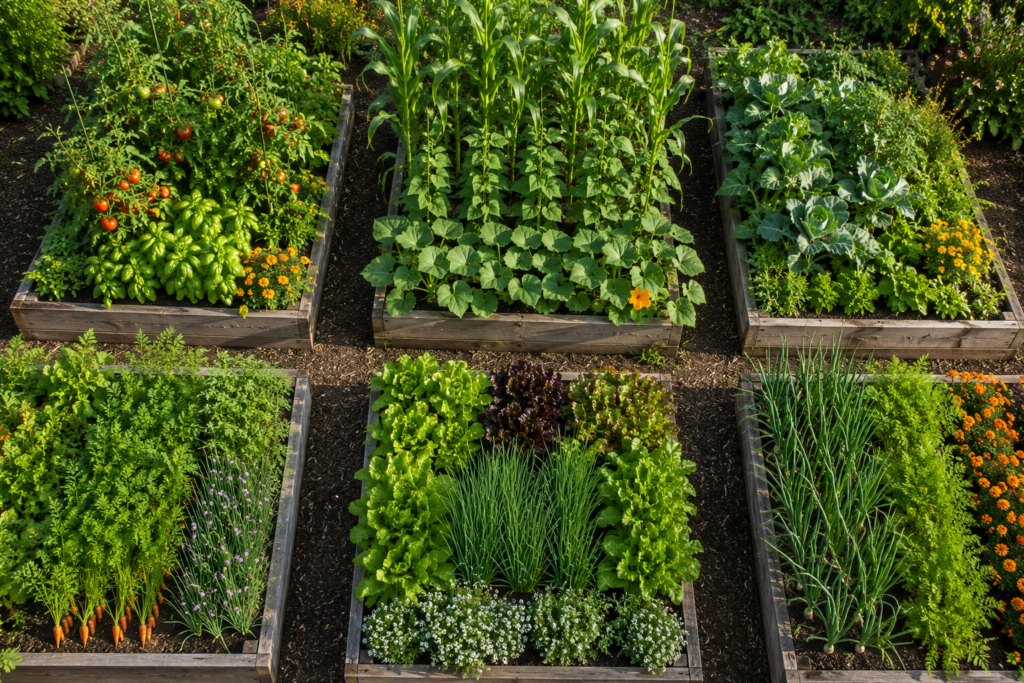
Tomatoes and Basil
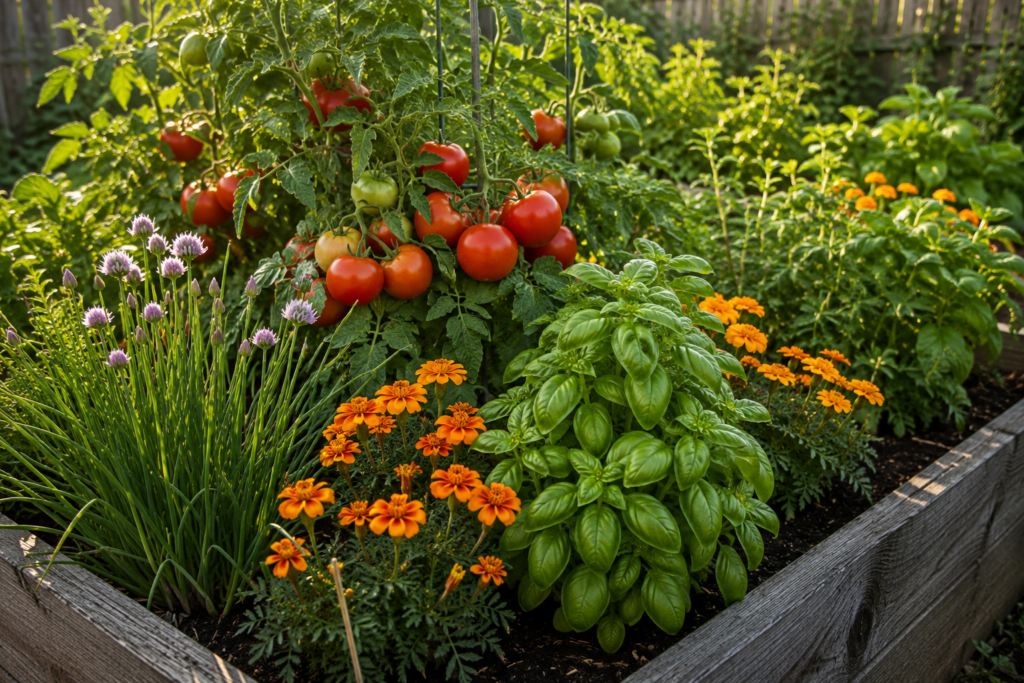
This is the most famous pairing for good reason. Basil repels tomato hornworms and whiteflies. Some gardeners also swear it improves tomato flavor — the science is mixed on that, but it certainly doesn’t hurt.
Plant basil 12–18 inches from your tomato stems. It thrives in the same conditions: full sun, consistent water, rich soil. You get pest protection for your tomatoes and fresh basil for your kitchen. Win-win.
Pro Tip: Don’t stop at basil. Plant parsley, oregano, and thyme around your tomatoes too. They attract hoverflies and parasitic wasps that prey on tomato pests.
The Three Sisters: Corn, Beans, and Squash
This is the original companion planting system, developed by Indigenous farmers across North America over thousands of years.
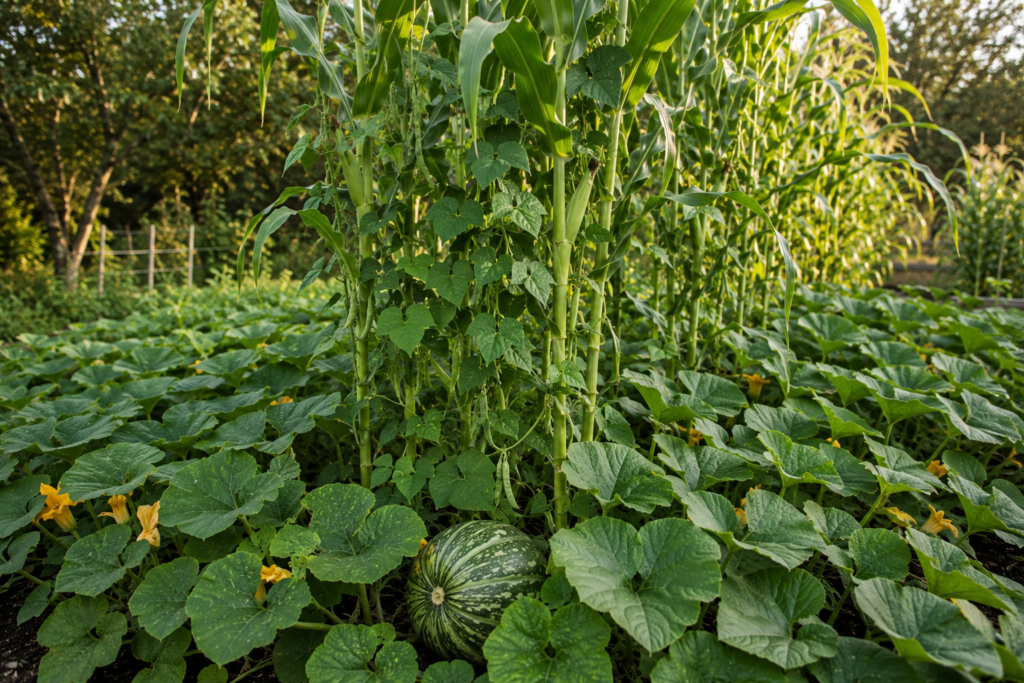
Corn provides a natural trellis for beans to climb. Beans fix nitrogen in the soil, feeding the corn and squash. Squash spreads along the ground, shading out weeds and keeping the soil cool and moist.
It works beautifully — if you do it right.
Common Mistake: Planting all three at the same time. The corn needs to be 6–8 inches tall before you plant the beans, or the young corn stalks can’t support the climbing weight. Plant the squash a week or two after the beans, once both are established.
Beginner Tip: Use pole beans, not bush beans. Bush beans won’t climb the corn. And use winter squash or pumpkins — summer squash doesn’t spread enough to provide good ground cover.
Carrots and Onions
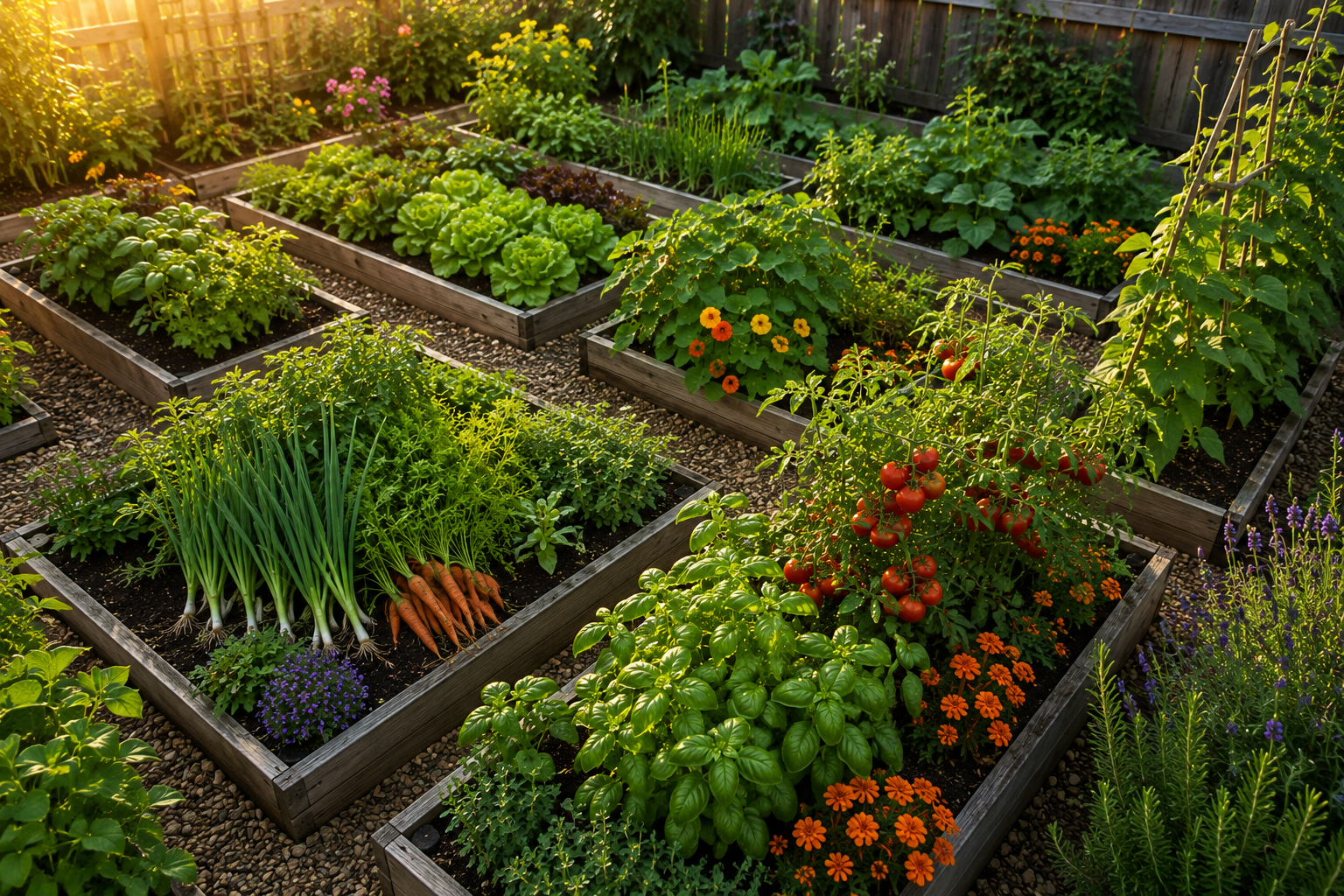
This is one of the most reliable pest-management pairings. Carrot root flies and onion flies are both strongly attracted to their host plants by scent. When you interplant carrots and onions, the smell of each masks the other. The flies can’t find what they’re looking for.
Plant rows of carrots alternating with rows of onions, or scatter onion sets throughout your carrot bed. Space them about 6 inches apart.
Side-by-side trials show the interplanted bed can have as little as 10% carrot fly damage compared to 40% or more in a monoculture row. That’s worth the extra effort of planting two crops in the same space.
Nasturtiums as Trap Crops
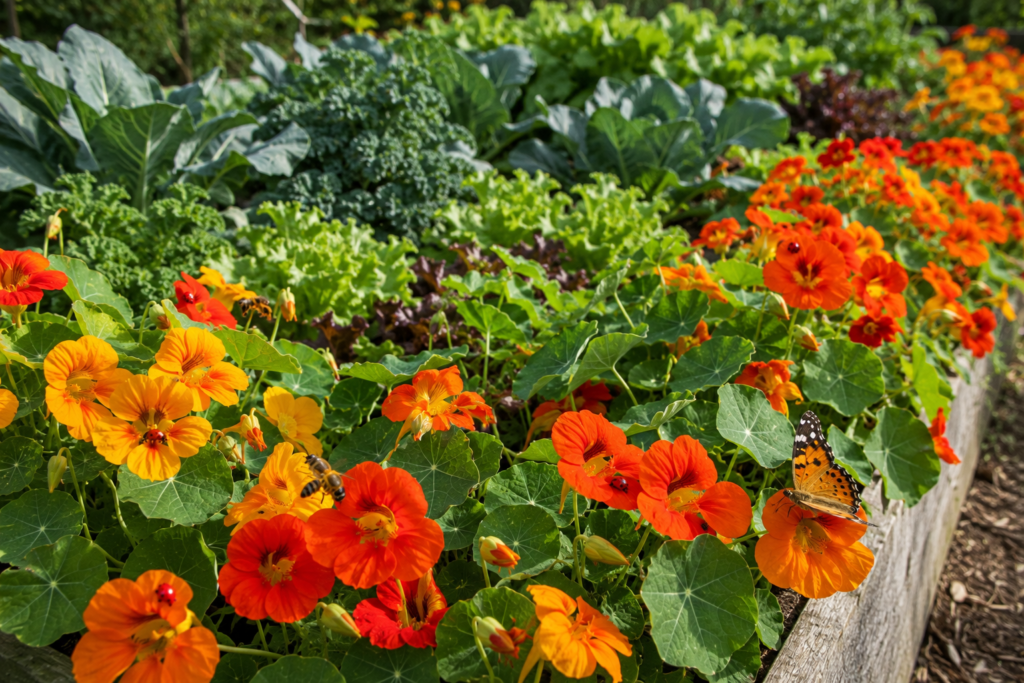
Nasturtiums are the workhorses of the companion garden. Aphids love them — more than they love almost anything else. Plant nasturtiums near your brassicas, beans, and squash, and the aphids will go there first.
They also attract predatory insects like ladybugs and lacewings, which will stick around and clean up whatever pests remain.
Pro Tip: Plant nasturtiums as a border around your entire vegetable garden. They’re edible (the flowers have a peppery kick), they’re beautiful, and they act as a living pest barrier.
Dill, Fennel, and the Carrot Family Warning
Dill and fennel attract swallowtail butterfly caterpillars. That sounds nice until you realize they also attract carrot root flies and cross-pollinate with carrots, ruining your carrot seed crop.
Never plant dill or fennel next to carrots. Keep them on the opposite side of the garden. Dill near cabbage family plants is fine — it attracts beneficial wasps that prey on cabbage worms. But keep it away from anything in the carrot family.
Companion Planting by Vegetable
Here’s a practical reference for the most common garden vegetables. These aren’t exhaustive lists — just the pairings that make a real difference.
Tomatoes
| Good Neighbors | Bad Neighbors |
|---|---|
| Basil, parsley, oregano, thyme | Fennel (inhibits growth) |
| Carrots, onions, garlic | Potatoes (compete for nutrients) |
| Marigolds (repel nematodes) | Corn (same pest: tomato earworm) |
| Asparagus | Dill (mature dill stunts tomatoes) |
| Borage (attracts pollinators) |
Brassicas (Broccoli, Cabbage, Kale, Cauliflower)
| Good Neighbors | Bad Neighbors |
|---|---|
| Onions, garlic, leeks | Strawberries (stunt each other) |
| Dill, rosemary, sage, thyme | Pole beans (inhibit growth) |
| Nasturtiums (trap crop for aphids) | Tomatoes (compete for calcium) |
| Beets, celery, chamomile |
Beans
| Good Neighbors | Bad Neighbors |
|---|---|
| Corn (natural trellis) | Onions, garlic, leeks (inhibit bean growth) |
| Squash, cucumbers | Fennel |
| Strawberries | Gladiolus |
| Rosemary, summer savory |
Cucumbers
| Good Neighbors | Bad Neighbors |
|---|---|
| Corn, sunflowers (partial shade) | Aromatic herbs near the base (sage, rosemary) |
| Dill, oregano | Potatoes |
| Nasturtiums | Melons (same pests) |
| Radishes (repel cucumber beetles) |
Peppers
| Good Neighbors | Bad Neighbors |
|---|---|
| Basil (improves growth and flavor) | Fennel |
| Parsley, oregano | Beans (compete for nutrients) |
| Carrots, onions | Kohlrabi |
| Marigolds |
Build a Backyard That Practically Runs Itself
Companion planting is only one piece of a truly productive homestead.
The Self-Sufficient Backyard teaches practical systems for growing food, collecting water, composting, raising productivity, and creating a resilient backyard that requires less work over time.
👉 Discover everything included in The Self-Sufficient Backyard here.
Flowers You Should Plant in Every Vegetable Garden
Companion planting isn’t just about vegetables. Flowers are some of the most valuable companions you can add.
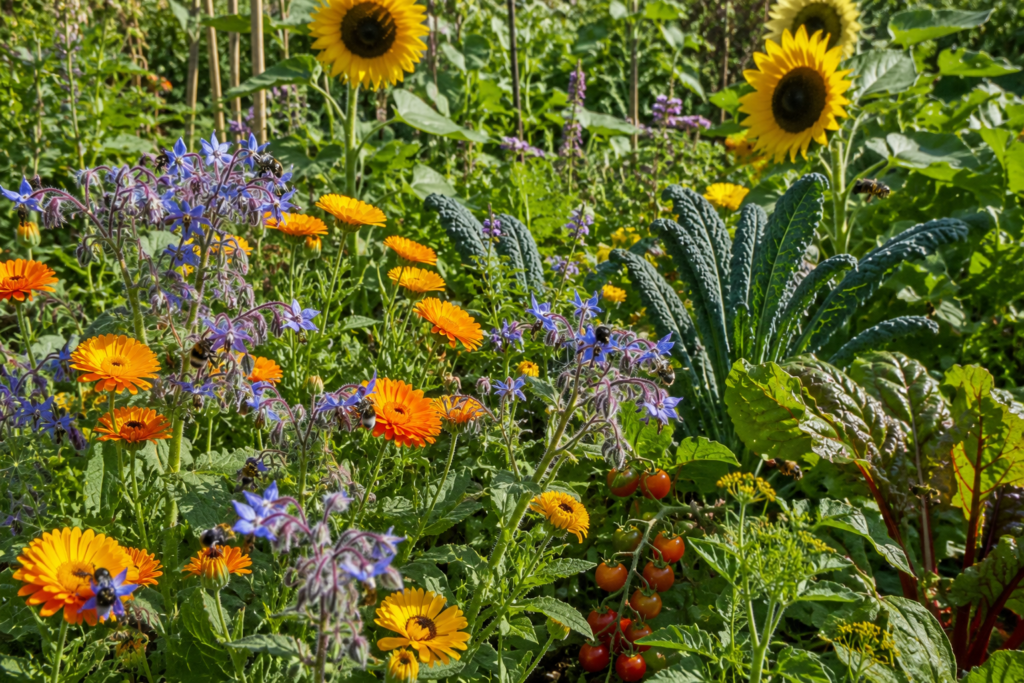
Marigolds are the single most useful flower for a vegetable garden. French marigolds in particular release a compound from their roots that repels nematodes — microscopic worms that attack tomato and pepper roots. Plant them as a border around your entire garden.
Nasturtiums we already covered. Trap crop for aphids, edible flowers, beautiful ground cover.
Borage attracts bees like nothing else. The blue flowers are irresistible to pollinators. It also accumulates potassium in its leaves, making it excellent chop-and-drop mulch for tomatoes and peppers.
Sunflowers provide shade for cool-season crops, attract pollinators, and their deep roots break up compacted soil. Just be aware they release a compound that can inhibit the growth of nearby potatoes and beans — give them some space.
Calendula (pot marigold) attracts hoverflies, whose larvae eat aphids. It’s also medicinal and edible.
Pro Tip: Dedicate 10–15% of your garden space to flowers. It’s not wasted space. Every flower you plant is working for you — attracting beneficial insects, repelling pests, and building a healthier ecosystem.
Common Companion Planting Myths
Let’s clear up a few things that the internet gets wrong.
Myth: “All herbs repel all pests.” No. Some herbs attract specific pests. Dill attracts tomato hornworms in some regions. Fennel can inhibit the growth of almost everything around it. Know your plants before you assume they’re helpful.
Myth: “You need to plant everything together for it to work.” You don’t. A row of onions next to a row of carrots works just as well as interplanting them. The pest-confusion effect works at the bed level, not just the individual plant level.
Myth: “Companion planting replaces good garden practices.” It doesn’t. Companion planting is a tool, not a solution. If your soil is poor, your watering inconsistent, and your plants stressed, no amount of basil next to your tomatoes will save you. Get the basics right first.
Myth: “The more diverse, the better.” Diversity is good, but chaos isn’t. Plants have different water and nutrient needs. Mixing everything together can make it harder to water efficiently and harvest easily. Group plants with similar needs together, then use companions strategically within those groups.
How to Plan Your Companion Garden
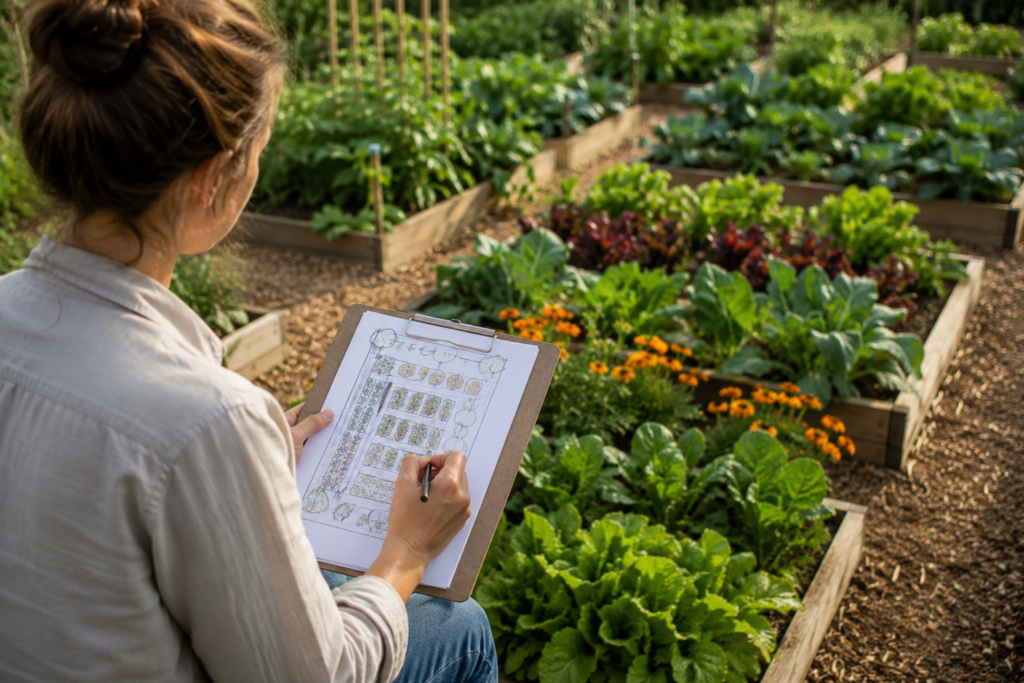
Here’s a simple approach that works.
Step 1 — Group by plant family. Tomatoes, peppers, and eggplants all need similar conditions. Brassicas like similar soil pH and watering. Keep families together for efficient care.
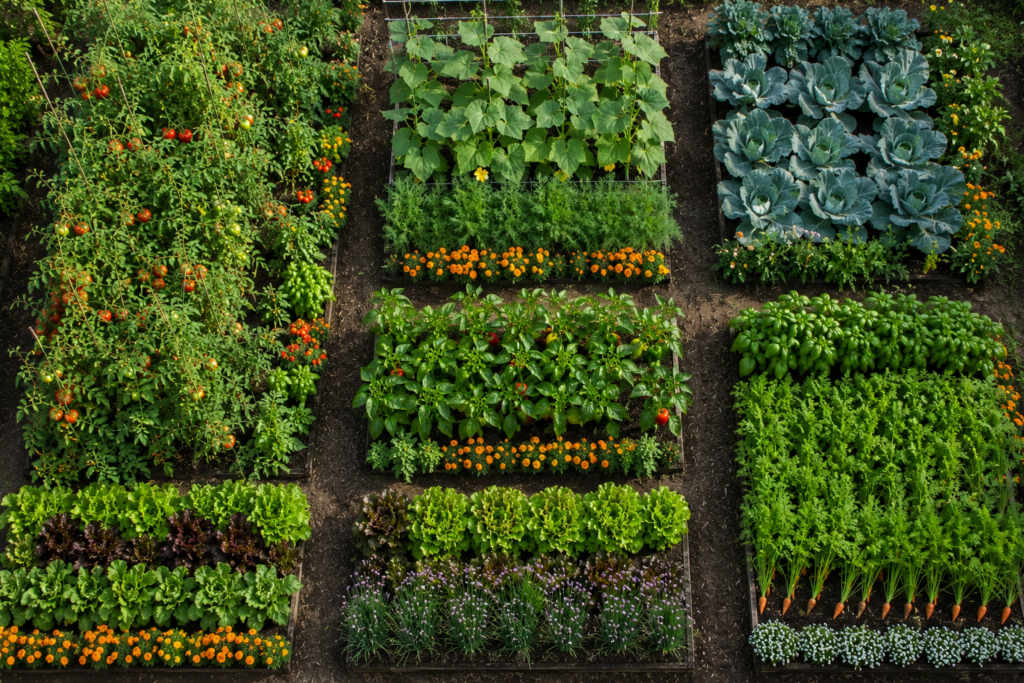
Step 2 — Add pest-repelling companions. Plant basil around tomatoes. Onions around carrots. Nasturtiums around brassicas. Marigolds around everything.
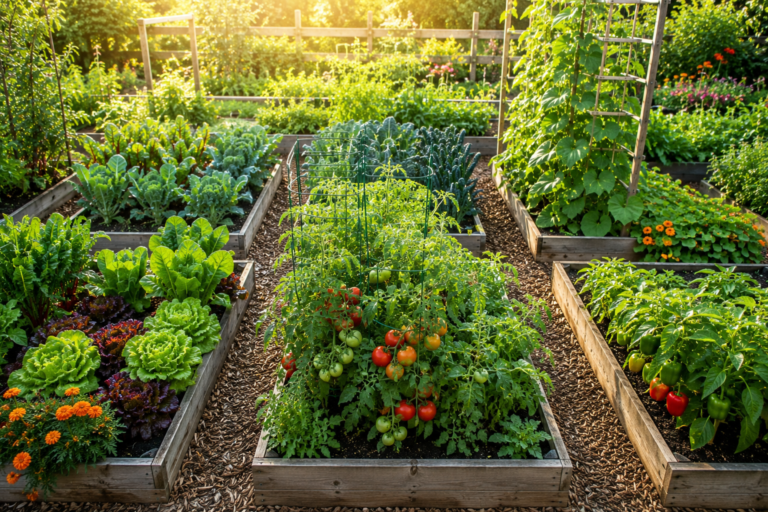
Step 3 — Use flowers as borders and fillers. Edge every bed with marigolds or nasturtiums. Tuck borage and calendula into gaps between vegetables.
Step 4 — Avoid the bad pairings. Keep fennel isolated. Don’t plant onions near beans. Give potatoes and tomatoes some distance.
Step 5 — Observe and adjust. This is the most important step. Every garden is different. What works in clay soil in zone 7 might not work in sandy loam in zone 5. Pay attention. Take notes. Adjust next season.
Beginner Tip: Start with just three companion pairings your first season. Tomatoes + basil. Carrots + onions. Marigolds everywhere. Once you see how they work, expand from there.
FAQ
1. Does companion planting really work, or is it just gardening folklore?
Both. Some companion planting claims are well-supported by observation and biology — like pest confusion from interplanting onions and carrots, or nitrogen fixation from legumes. Others are folklore that doesn’t hold up in practice. The pairings in this article are the ones that have been tested and shown consistent results. If you’re unsure about a specific claim, test it yourself with a small side-by-side trial.
2. How close do companion plants need to be to each other?
Close enough that their root systems and scents overlap. For pest-confusion pairings like carrots and onions, 6–12 inches apart is ideal. For flowers like marigolds and nasturtiums, they can be anywhere in the same bed. For the Three Sisters, the corn and beans need to be within a few inches so the beans can climb, while squash can be 18–24 inches away.
3. Can I grow companion plants in containers?
Absolutely. Container gardening works well for companion planting. Plant basil in the same large pot as your tomato. Grow nasturtiums in a pot next to your container beans. Just make sure both plants have similar water and light requirements before you pair them.
4. What’s the single best companion plant to start with?
Marigolds. They’re cheap, easy to grow, work with almost every vegetable, and provide real pest control benefits. Plant French marigolds around your entire garden. They repel nematodes, deter whiteflies, and attract beneficial insects. If you only add one companion plant this season, make it marigolds.
5. Should I avoid planting anything near fennel?
Yes. Fennel is allelopathic — it releases chemicals that inhibit the growth of most plants around it. It’s basically the garden bully. Give fennel its own space, far from everything else, or skip it entirely. Dill can be planted near fennel, but that’s about it.
Don’t Stop With Companion Planting
A healthy garden is the first step toward greater food independence.
The Lost Superfoods introduces dozens of forgotten crops and traditional foods that can diversify your harvest and increase long-term food security.
👉 Explore the forgotten foods that helped generations thrive.
Final Thoughts
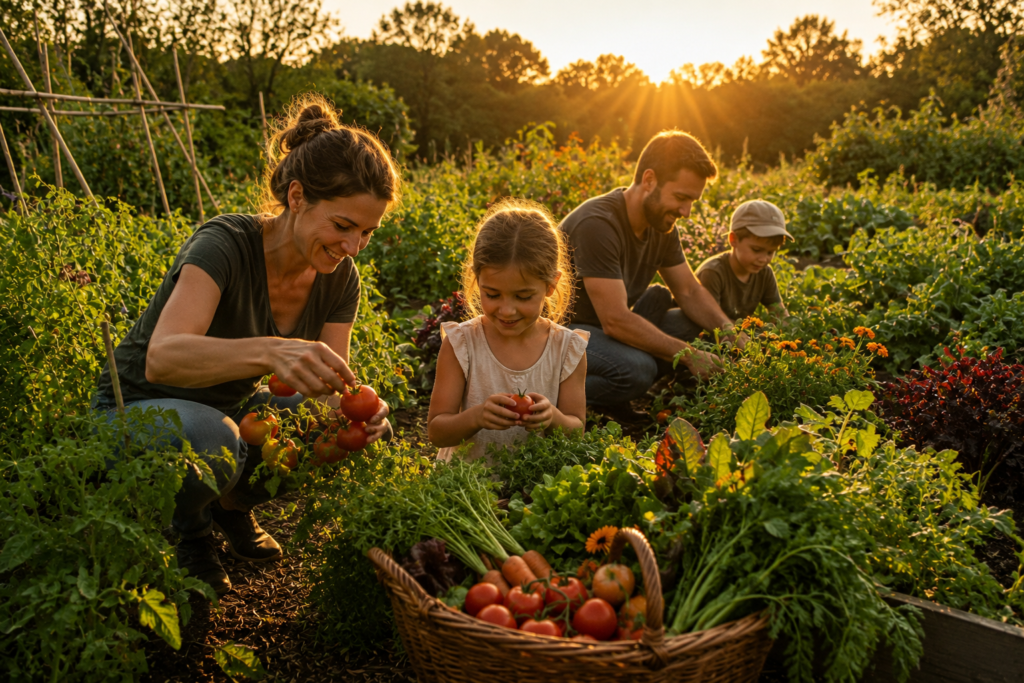
Companion planting isn’t complicated. It’s just paying attention to how plants interact and using those relationships to make your garden stronger.
You don’t need a wall chart. You don’t need to memorize every pairing. Start with a few that matter — tomatoes and basil, carrots and onions, marigolds everywhere — and build from there.
The best gardeners don’t follow strict rules. They observe. They experiment. They learn what works in their specific soil, their specific climate, their specific garden.
That’s the real skill. Not memorizing a chart, but learning to see the relationships.
Start small. Pay attention. Your garden will tell you what it needs.
Live free. Grow food. Build freedom.
Recommended Resources
If you enjoyed this guide, these resources can help you build an even more productive backyard:
🌱 The Self-Sufficient Backyard – Complete backyard self-reliance system.
🥕 The 5 Foot Farm – Grow more food in less space.
🍠 The Lost Superfoods – Forgotten edible plants and survival foods.
💧 Joseph’s Well – Reliable water solutions for greater preparedness.